


Welcome to the Lasting Habits Series
A once-a-week series of practical, doctor-designed health upgrades you can actually stick with.
Every Saturday, we’ll focus on one lever that makes everything else easier.
Here’s the roadmap:
Week 1 (sleep and recovery) explains how poor or fragmented sleep is often the real reason behind low mood, strong cravings, low energy, and feeling like you “lack willpower.” We covered why late nights and 3 a.m. wake-ups happen, how sleep regulates hunger, blood sugar, stress, and emotional resilience. The solution: a 7-day sleep reset plan, a step-by-step wind-down builder, troubleshooting guide for the most common patterns, and printable sleep reset toolkit.
Week 2 provides you screen boundaries and a brain protection plan. It explains how constant screen use trains the brain to stay in urgency and interruption mode, draining focus, impulse control, sleep, and emotional regulation. We talked about how screens overstimulate the stress system, exhaust the brain’s self-control center, worsen cravings and nighttime restlessness, and undo the benefits of better sleep. The solution: a step-by-step screen boundaries builder, a 3-part “phone rules” system, a dopamine-friendly replacement list, a troubleshooting guide for the most common problems, and a printable screen boundaries brain protection plan.
Week 3 is for people feeling wired, tired, and on edge. It explains why many people feel unable to relax even when nothing is “wrong”: their nervous system is stuck in a half-activated stress state from constant, low-grade demands. We talked about how chronic stress load builds up in the body, disrupting mood, sleep, cravings, and focus, and why this isn’t a willpower issue but a recovery problem. The solution: step-by-step stress resilience reset, a “turn off the alarm” strategy, the 3 most effective nervous system levers (and how to use them depending on your stress type), a stop-the-spiral protocol, and a printable nervous system reset plan you can keep visible—so you don’t have to remember what to do when you’re overwhelmed.
Week 4 covers how aging accelerates when you’re dehydrated (which is most common than people think). It explains how chronic, mild under-hydration can disrupt brain function, digestion, energy, and cravings—and may even be linked to accelerated aging over time. We talked about why thirst is an unreliable signal, how hydration hormones influence metabolic and cardiovascular stress, and why many “I feel off” symptoms improve when fluid intake is stabilized.
Week 5 breaks down why cravings aren’t a discipline failure but a predictable brain response to an ultra-processed food environment designed to keep you on autopilot. We talked about how portion distortion, misleading serving sizes, and hyper-reward foods hijack the brain’s reward system faster than true hunger signals can respond—especially when you’re stressed, tired, or distracted. The solution: a craving loop map to identify your main driver in minutes so you use the right fix instead of guessing (and failing), a troubleshooting guide for the most common patterns, and a printable 7-day autopilot breaker (small daily moves that retrain the default).
Today’s post shows how one simple habit has shaped human survival, from scurvy prevention in the 1700s to wartime “Victory Gardens.” You’ll discover about how fruits and vegetables stabilize appetite hormones, steady blood sugar, support gut–brain signaling, and are linked to lower risks of cardiovascular disease, cancer, depression, and early mortality. The solution: a personalized Mood and Satiety Plan designed around your goals, cravings, schedule, and real-life constraints. You answer targeted questions, and you receive a clear, practical plan that fits your day—so mood feels steadier and meals more satisfying without dieting.
Upcoming posts:
Week 7 reframes strength as independence insurance, the habit that protects your ability to carry groceries, climb stairs, lift suitcases, and keep saying yes to normal life as you age. We’ll talk about how resistance training strengthens not just muscles but your nervous system, balance, mood stability, and long-term health. The solution: a step-by-step Lasting Strength Setup based on adherence strategies that showed promise in randomized controlled trials.
Week 8 shows that it’s never too late to rebuild your cardiovascular engine. Through the story of 92-year-old marathon finisher Mathea Allansmith, we talked about how cardio remains trainable at any age and why longevity depends more on consistency than intensity. The key idea: cardio helps you live longer, strength helps you live better—and the real challenge is building habits that survive real life. The solution: a practical Fitness Tracker that helps you define your starting point, set clear goals, track workouts, steps, body measurements, progress photos, and 30-day and 12-week challenges—so cardio and strength become a routine you can rely on.
Week 9 shows how repeated habits with alcohol and nicotine reshape your sleep, stress response, and reward system over time. Your brain learns the loop stress → substance → relief → repeat. Over time, that loop can destabilize mood, recovery, appetite, and long-term health. The solution: a simple 7-Day “Remove the Saboteurs” Experiment designed to reset your baseline. By testing small boundaries you interrupt the automatic cue-relief cycle and observe how sleep, mood, and cravings shift when your nervous system finally gets a steadier foundation.
In week 10 we talk about how prevention and early detection can dramatically change health outcomes, from removing precancerous polyps before cancer forms to reversing prediabetes and protecting brain, heart, and bone health long before damage becomes irreversible. The solution: knowing which preventive tests matter and monitoring key risk factors early. Combined with the daily habits from this series, these screenings give you the leverage to detect problems early, reverse risks sooner, and protect the decades ahead instead of reacting when disease finally shows symptoms.
If you’re done managing symptoms on repeat, you’re in the right place. This is the habit foundation most people never get.
Week 6: The Sailor Who Changed Nutrition Forever (Without Meaning to)
In the 1700s, long voyages had an enemy onboard. Something that showed up weeks into the journey, after the barrels were sealed and the horizon had swallowed land.
At first it looked like fatigue, heaviness, softness… Then it escalated.
Gums swelled and bled without warning, bruises appeared like fingerprints, old scars started reopening, wounds refused to close, and legs weakened so deeply that some sailors couldn’t climb the deck anymore.
We could say there was not medication for it, but it actually did (as Hippocrates, the father of Medicine, would say): nutrition.

In 1747, a ship’s surgeon named James Lind ran one of the earliest controlled clinical experiments we have recorded: different “treatments” for scurvy… and the group given citrus fruit improved dramatically.
Eventually, the British Navy adopted citrus as prevention.
It was an early, real-world demonstration:
Plants keep human biology stable under pressure.
“Dig for Victory”: How Gardens Helped Nations Survive War
Fast-forward to World War II.
Food systems were unstable. Imports were threatened. Rationing was real.
So governments turned food into a national resilience strategy.
In Britain, the “Dig for Victory” campaign pushed households to grow vegetables.
In the U.S., “Victory Gardens” exploded—families grew a meaningful share of the nation’s produce during the war years.

When vegetables are available, the population holds up better—energy, immunity, and yes… mental steadiness.
The “Meatless Monday” Origin and Its Global Impact
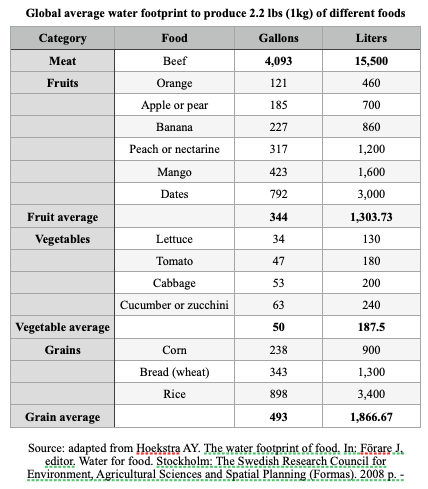
The “Meatless Monday” movement began in 2003 as an initiative by the Johns Hopkins Bloomberg School of Public Health.
Its simple purpose was to encourage people to reduce their meat consumption at least one day a week to improve their health and contribute to planetary sustainability.
Since then, this campaign has gained worldwide popularity and has been adopted by individuals, restaurants, schools, and businesses in more than 40 countries.
The Not-Boring Version of “Eat More Fruits and Veggies”
Your gut is a sensory organ packed with hormone-producing cells, immune cells, and nerve connections (including the vagus nerve). It also hosts trillions of microbes that “read” what you eat and transform plant fibers into bioactive compounds that influence appetite, inflammation tone, and even brain signaling.
When you feed that system consistently, the effects don’t stay in your stomach—they show up in your cravings, your mood baseline, and your long-term risk profile.
In a large systematic review and dose–response meta-analysis of prospective studies, higher fruit and vegetable intake was associated with lower risk of cardiovascular disease, total cancer, and all-cause mortality.1
In other words: this habit is a measurable lever for longevity.
Plants Talk to Your Brain (and Your Appetite) Through Your Gut
When you eat plants consistently, three big things happen:
1) Your “I’m full” hormones get louder (without you trying harder)
When plants bring fiber + water + volume, your stomach stretches more and your small intestine releases hormones (like GLP-1, PYY, CCK) that send a clear message to your brain: “We’re good. You can stop now.”
A systematic review and meta-analysis found that increasing fruit and vegetable intake is associated with reductions in energy intake and body weight, on average (without requiring a strict diet!).2
2) Your reward cravings get less urgent (because your body is steadier)
When meals are low in fiber and high in refined carbs, blood sugar can rise and fall faster, then your brain interprets the dip as urgency.
Plants slow the pace of absorption. That steadiness often shows up as:
Fewer “I need something NOW” moments
Less grazing
Less late-night snack-pulling
3) Your mood gets more protected than you think
Mood is mindset, but also inflammation tone, gut signaling, micronutrient sufficiency, and nervous system stability.
An updated systematic review and meta-analysis of cohort studies found higher fruit and vegetable intake is associated with a lower risk of depression over time.3
But… Five Daily Portions is Not Enough
The health benefits are observed when consuming 800 grams of fruits and vegetables daily, which equals ten portions of 80 grams.3,4
That’s double the classic “five a day” recommendation.
By reaching ten servings from the foods below, you may unlock these mood-boosting benefits:
Fruits
1 medium fruit: kiwi, apple, orange, pear, banana
1 cup of small fruits: blueberries, raspberries, strawberries, blackberries, grapes
½ cup of sliced or diced fruits: melon, mango, pineapple, watermelon
Vegetables
3 heaping tablespoons of cooked vegetables: eggplant, broccoli, zucchini, spinach, peas
3 cups of leafy greens: spinach, kale, lettuce, arugula
½ cup of raw or cooked chopped vegetables: onion, cauliflower, bell pepper, carrot
1 whole medium vegetable: cucumber, tomato, carrot
The Two Leading Causes of Death
1) Cardiovascular Diseases
Solid and extensive scientific evidence supports the link between plant-based diets and a reduction in cardiovascular diseases. These diets are associated with lower total cholesterol, LDL cholesterol, and apolipoprotein B concentrations5.
Vegetarian diets, in particular, are linked to a lower risk of cardiovascular diseases6 and strokes7 due to significant improvements in blood pressure8, total cholesterol, LDL cholesterol, HbA1c (blood glucose over the past 2–3 months), and body weight9,10.
As for vegan diets, a systematic review and meta-analysis of randomized controlled trials concluded that they can be effective for individuals with overweight or type 2 diabetes, achieving significant weight loss and improved blood glucose levels11.
2) Cancer
Compared to meat consumers, vegetarians and pescatarians have a lower risk of developing cancer12,13.
In 2015, the International Agency for Research on Cancer (IARC) of the WHO classified14:
Red meat as “probably carcinogenic” (Group 2A)
Processed meat as “carcinogenic” (Group 1)
They defined red meat as “unprocessed mammalian muscle meat, such as beef, veal, pork, lamb, mutton, horse, or goat.” This category includes both minced and frozen meat, typically consumed cooked.
Processed meat, on the other hand, was defined as “meat that has been transformed through methods like salting, curing, fermentation, smoking, or other processes to enhance flavor or extend shelf life.” While it mainly comprises pork or beef, it may include other red meats, poultry, offal (such as liver), and by-products like blood. Examples of processed meats include hot dogs, ham, sausages, corned beef, beef jerky, canned meats, and meat-based preparations or sauces15.
Later, the American Institute for Cancer Research, the leading cancer research organization in the United States, strongly endorsed this classification16.
Important: Red meat is a source of high-quality protein and contains essential micronutrients. However, its processing and cooking at high temperatures can produce compounds with potential carcinogenic effects14.
The World Cancer Research Fund and the American Institute for Cancer Research provide the following recommendations to prevent cancer17:
Red meat: Limit intake to no more than three portions per week, equivalent to approximately 12–18 oz (350–500 g) of cooked red meat.
Processed meat: Minimize consumption or avoid it entirely.
Remember! Plant-based diets could help protect you from the two leading causes of death: cardiovascular diseases and cancer.

The Most Useful Way to Start (Without Becoming a Salad Person): The 2-2-2 Method
If you want mood and satiety, for the next 7 days:
2 fruits/day (any form, ideally whole)
2 cups of vegetables/day (raw or cooked)
2 protein anchors/day (so the produce actually sticks)
Why protein anchors? Because vegetables without protein can still leave people “snacky.” Protein makes the satiety signal louder.
High-Satiety Combos That Don’t Feel Like Dieting
If you want the biggest impact on cravings and mood, pair plants with:
Protein (keeps satiety hormones stable)
Healthy fat (slows digestion, improves satisfaction)
Examples:
Greek yogurt + berries + cinnamon
Eggs + sautéed spinach + tomatoes
Salmon + roasted vegetables
Lentils + olive oil + crunchy cucumber
Chicken + big salad + avocado
Frozen mixed veggies (just choose wisely, not every mix performs the same; details below) added to whatever you’re already cooking

What You’ll Get This Week
If your mood and appetite feel unpredictable, this week we’re turning this post into a personalized system you can actually follow (even on busy days) and still see real results.
Here’s how it works:
Upgrade to unlock the questions below.
Reply to this post with your answers (you can email them to me).
I’ll personally read them and send you a Mood and Satiety Personalized Plan built for YOU—based on your goals and your real schedule.
Upgrade to get your personalized plan.