

This year marks ten years since I lost my mother to ovarian cancer.
I’ve thought many times about what I would write on this anniversary. I didn’t want to write something small. I wanted to write something that honored her in the most useful way I know, by turning what her illness taught me into something that might prevent it in someone else.
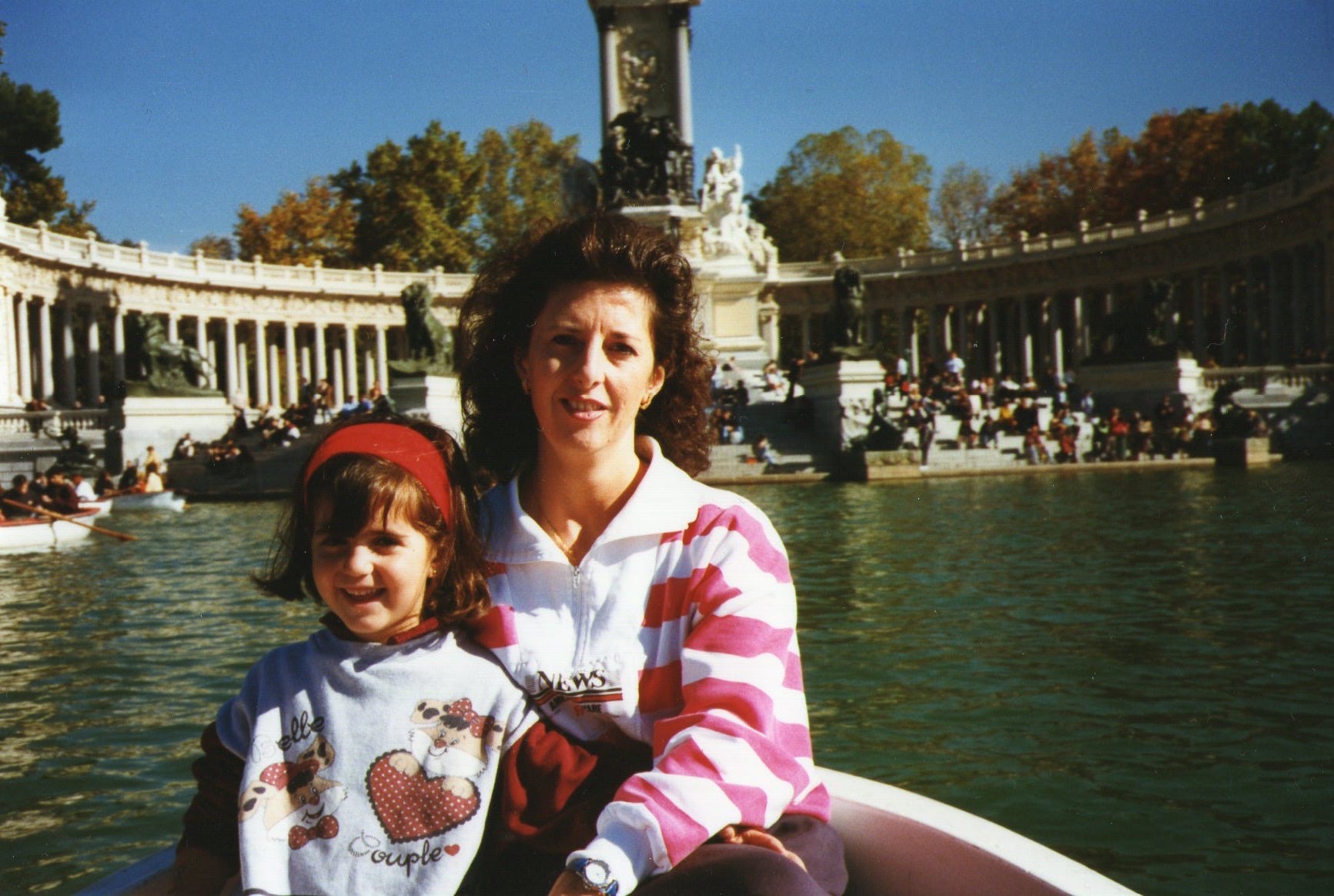
My mother died of ovarian cancer. Her mother died of ovarian cancer before her. Her grandmother had breast cancer.
Three generations of women in my family. Three of the same cancers. The same pattern, moving through the family line, doing damage nobody knew how to stop.
I haven’t had genetic testing done yet. That decision carries more weight than it might appear, and it’s a step I’m still navigating.
But I don’t need a lab result to understand what this family history is telling me. Three generations, the same cancers, the same line. Whether or not there’s a confirmed mutation in my file, that pattern changes how I think about my own body, and how I practice medicine.
The framework I’m about to share — the exact tests I monitor, the lifestyle decisions I make, and the conversation tool at the end of this post — is what I give my patients. Today I’m giving it to you, for free, because ten years of absence has made one thing clear: the information that changes outcomes needs to reach people before the diagnosis, not after it.
Cancer by the Numbers
Cancer is the defining disease of our era.
In 2022, close to 20 million new cancer cases were diagnosed worldwide, alongside 9.7 million deaths.¹ By 2050, the global cancer burden is projected to reach 35 million new cases annually — driven by population growth, aging, and the global spread of Western lifestyle risk factors.¹
Approximately 1 in 5 people will develop cancer in their lifetime.¹
Around 1 in 9 men and 1 in 12 women will die from it.¹ Lung cancer is both the most commonly diagnosed cancer globally (12.4% of all cancers) and the leading cause of cancer death (18.7% of all cancer deaths). The next most common cancers worldwide are breast, colorectal, prostate, and stomach.¹
Cancer is already the leading cause of death ahead of cardiovascular disease in several high-income regions, and it’s on a trajectory to become the leading cause of death globally this century.¹
Here is the number that matters most for everything that follows:
40% of all cancer cases in the United States — and a comparable proportion globally — are attributable to modifiable risk factors: cigarette smoking, excess body weight, alcohol consumption, physical inactivity, poor diet, and preventable infections.²
Forty percent.
Not in people with good genetics only. In everyone. Including people with a hereditary predisposition. Including me.
This means that regardless of what your genes say, nearly half of the cancer risk burden is in territory you can act on.
The gene I may carry does not exempt me from the modifiable portion of that risk. It makes the modifiable portion more important.
My mother’s generation didn’t have this framework. The conversation between a patient with a family history of cancer and her doctor was structured around surveillance — watching and waiting.
I’m not willing to only watch and wait.
What a Family History Like Mine Likely Means
Three generations of ovarian and breast cancer in the direct female line is the clinical picture most strongly associated with hereditary breast and ovarian cancer syndrome — most commonly driven by a pathogenic mutation in BRCA1 or BRCA2.
BRCA1 and BRCA2 are tumor suppressor genes that work constantly to identify and repair DNA damage. When these genes carry a pathogenic mutation, that quality control is compromised and the risk of certain cancers rises dramatically.
Women carrying a BRCA1 or BRCA2 pathogenic mutation have up to a 72% lifetime risk of breast cancer, compared to approximately 12-13% in the general population. The lifetime risk of ovarian cancer with a BRCA1 mutation is 44% compared to about 1% in the general population.³
BRCA mutations also increase risk of pancreatic cancer, fallopian tube cancer, peritoneal cancer, and melanoma, depending on the specific mutation. Men with BRCA2 mutations carry elevated risk of breast, prostate, and pancreatic cancer.
What a mutation does not mean is certainty. It means elevated probability. And probability, shaped by everything else in this post, is not fixed.
If you have a first- or second-degree relative with breast cancer before age 50, or any relative with ovarian cancer, ask your doctor for a referral to a cancer genetics specialist. Knowing changes your clinical management — and your family’s options.
The Levers I Actually Pull
These are the specific decisions I make about my own body, grounded in the evidence I’ve spent years reviewing as a clinician and a researcher.
Alcohol — The One I Take Most Seriously
The evidence here is the clearest and the most ignored.
In January 2025, the US Surgeon General issued a formal advisory stating there is no safe level of alcohol consumption when it comes to cancer risk — naming esophageal, liver, colorectal, oral, throat, laryngeal, and breast cancer as all causally linked to alcohol consumption.⁴
Alcohol is the third largest modifiable cause of cancer in the United States, behind smoking and excess body weight.²
A 2024 systematic review and meta-analysis specifically on breast cancer confirmed that consuming less than one standard drink per day still significantly increases breast cancer risk.⁵
The most recent meta-analysis on breast cancer specifically, published in 2026, found that any alcohol consumption was associated with a 17% higher risk overall — with a clear dose-response: light drinking 13% higher, heavy drinking 52% higher.⁶
The mechanism for breast cancer is well characterized: alcohol raises estrogen levels through inhibition of estrogen metabolism, direct effects on aromatase enzyme activity, and reduction of folate bioavailability, which impairs DNA repair. For other alcohol-associated cancers, separate mechanisms — including direct acetaldehyde toxicity and oxidative stress — are responsible.
With a family history like mine, I don’t drink. The risk-to-benefit ratio for someone in my position is, in my clinical judgment, not acceptable. This is a decision I made after reading the evidence.
Exercise
A Dutch nationwide retrospective cohort study of 725 BRCA1/2 mutation carriers found that sports activity after age 30 was significantly inversely associated with breast cancer risk — a 37% lower risk in active carriers compared to inactive carriers.⁷
More broadly, the cancer prevention evidence for physical activity spans both sexes and multiple cancer types — colorectal, breast, endometrial, bladder, kidney, gastric, and lung cancer all show consistent inverse associations with physical activity in large meta-analyses.²
The mechanisms operate across cancer types: exercise reduces adipose tissue, improves insulin sensitivity, reduces systemic inflammation, and enhances immune surveillance — the body’s capacity to identify and eliminate precancerous cells.
The cancer prevention evidence supports a minimum of 150 minutes of moderate-intensity aerobic activity per week, plus resistance training. This is the same threshold as the cardiovascular benefit evidence. The health systems overlap.²
Body Composition — Specifically Visceral Fat
Excess body weight accounts for 7.6% of all cancer cases in the United States — affecting both men and women — and is causally linked to at least 13 cancer types, including colorectal, pancreatic, liver, kidney, esophageal, endometrial, breast, and advanced prostate cancer.²
One key mechanism is aromatase: an enzyme expressed in adipose tissue, particularly visceral fat, that converts androgens to estrogen. The more visceral fat, the more estrogen produced peripherally, independently of the gonads. This drives hormone-sensitive cancer risk in both men and women.
Beyond aromatase, elevated adiposity promotes insulin resistance and chronic inflammation, both of which create a cancer-permissive environment through separate pathways.
Chronic Inflammation — the Biomarker I Monitor Most Carefully
Chronic low-grade inflammation is an independent cancer risk factor across multiple tumor types and both sexes.
Elevated circulating inflammatory markers are associated with increased risk of colorectal, lung, and several other cancers in large epidemiological studies. In the context of breast cancer specifically, a meta-analysis of prospective studies found that the highest CRP levels were associated with a 13% higher risk compared to the lowest levels.⁸
Inflammation creates a permissive environment for cancer development: it impairs immune surveillance, promotes angiogenesis (the new blood vessel formation that tumors require), and generates reactive oxygen species that damage DNA. It is also the common downstream pathway through which excess visceral fat, sedentary behavior, poor diet, and chronic psychological stress all increase cancer risk.

Sleep — Immune Surveillance You Can’t Outsource
The immune system’s capacity to identify and eliminate precancerous cells — immune surveillance — is substantially impaired by sleep deprivation.
Natural killer (NK) cell activity, one of the primary mechanisms by which the immune system identifies and destroys abnormal cells, is reduced by up to 70% after a single night of four to five hours of sleep in human studies. Chronic sleep insufficiency is associated with higher cancer incidence across multiple large epidemiological cohorts.
Diet — the Methyl Donor Protocol
DNA repair — the same process that BRCA genes are partially responsible for — depends critically on methylation: a chemical process that regulates gene expression and enables repair. Methyl donor nutrients — folate, choline, methionine, B12, B6 — directly support this process.

The Conversation I Have Every Year
Because of my family history, I bring a blood panel to every appointment that my general practitioner did not initially know to order. I had to ask for it, and I had to explain why I was asking.
That’s the piece I want to change for you.
Most people with a family history of cancer receive excellent surveillance recommendations and very little guidance on what else to monitor, what lifestyle data to bring to appointments, and what questions to ask. The conversation tends to focus on screening modalities — not on hs-CRP, not on insulin resistance, not on the 40% of cancer risk that sits in modifiable territory.
Below is the tool I’ve built for you to take to your next appointment. Print it or screenshot it. Hand it directly to your doctor and say: I’d like to discuss these.
Your Cancer Prevention Conversation
Print this page or screenshot it and bring it to your next appointment.
PART 1 — Biomarkers to Request
hs-CRP (high-sensitivity)
Target: below 1.0 mg/L
Chronic inflammation is an independent risk factor for breast, ovarian, and colorectal cancer.
Fasting insulin + HOMA-IR
Target: HOMA-IR below 1.5
Insulin resistance promotes cancer cell proliferation and is detectable a decade before HbA1c changes.
HbA1c
Target: below 5.7%
Elevated glucose creates a cancer-promoting metabolic environment.
25-OH Vitamin D
Target: 75-125 nmol/L (30-50 ng/mL)
Low vitamin D is associated with higher risk of breast, colorectal, and ovarian cancer.
ApoB
Target: below 90 mg/dL
A marker of metabolic health; elevated in insulin resistance.
Ferritin
Target: 50-100 ng/mL
Iron deficiency impairs immune function; elevated ferritin reflects inflammation.
Waist circumference
Target: below 80 cm (31.5 in) for women / below 94 cm (37 in) for men
Visceral fat drives aromatase activity, insulin resistance, and systemic inflammation — all independent cancer risk factors.
Request these alongside your standard annual blood work. Tell your doctor: “I’d like to discuss these as part of my cancer prevention monitoring.”
PART 2 — Lifestyle Factors to Discuss With Your Doctor
Alcohol: Ask: “What is my current risk from alcohol consumption given my family history?” The US Surgeon General’s 2025 advisory identifies alcohol as a cause of at least seven cancers — esophageal, liver, colorectal, oral, throat, laryngeal, and breast — with no established safe threshold. This conversation is almost always skipped.
Exercise: Tell your doctor your current weekly activity volume and type. Ask: “Am I meeting the evidence-based minimum for cancer risk reduction — 150 minutes of moderate activity per week — and am I doing resistance training?”
Body composition: Ask for waist circumference measurement alongside weight. Waist-to-height ratio below 0.5 is more predictive of cancer risk than BMI alone.
Sleep: Disclose your average sleep duration and quality honestly. Ask: “Is there anything in my current sleep picture that could be impairing my immune surveillance?”
Chronic stress: Sustained HPA axis activation impairs immune function and promotes the inflammatory state associated with cancer development. Ask: “Is there a validated tool you use to assess stress-related immune suppression?”
PART 3 — Screening Reminders for Anyone With a Cancer Family History
Breast (for those with family history or confirmed BRCA mutation):
Annual MRI from age 25 (NCCN 2025 for BRCA carriers and high-risk family history)
Annual mammography from age 30 (add to MRI, not replace)
Clinical breast exam every 6-12 months from age 25
If your personal family history is unclear: ask for a formal risk assessment using a validated model (BOADICEA, Tyrer-Cuzick)
Ovarian and gynecological:
No screening method has been proven to detect ovarian cancer early enough to reliably improve survival (CA-125 and transvaginal ultrasound have not met this bar)
If BRCA-positive: discuss prophylactic bilateral salpingo-oophorectomy timing with a gynecological oncologist — typically recommended between ages 35-40 for BRCA1, 40-45 for BRCA2, or after completion of childbearing
Annual gynecological examination
Colorectal: Colonoscopy from age 45 (average risk) or earlier if family history of colorectal cancer. Currently the most preventable of the major cancers.
General: Skin cancer — annual dermatological skin check if you have significant sun exposure history or a family history of melanoma.
Genetic:
If you have not had genetic testing and have a first- or second-degree relative with breast cancer before age 50, or any relative with ovarian cancer: ask for referral to a cancer genetics specialist
First-degree relatives of a confirmed BRCA carrier should be offered testing
Consider testing yourself — knowing changes your clinical management and your family’s options
Why I’m Sharing This
I have a family history that tells a clear story, a ten-year absence that reminds me of what’s at stake, and the tools of preventive medicine to do everything the evidence supports.
I’m sharing this because the conversation I describe above is a conversation most people with elevated cancer risk never have. Not because the evidence doesn’t exist. Definitely that is not the reason. But because nobody has shown them what to ask.
My mother deserved that conversation. She didn’t get it. I’m making sure you do.
To your zenith within,
Sara Redondo, MD, MS
P.S. I’d love to read you. If this made you think of your own family history, your loved ones, your body, or a question you’ve been carrying, leave a comment. I’ll be answering every one. ❤️

References:
Bray F, Laversanne M, Sung H, et al. Global cancer statistics 2022: GLOBOCAN estimates of incidence and mortality worldwide for 36 cancers in 185 countries. CA Cancer J Clin. 2024;74(3):229-263. doi:10.3322/caac.21834
Islami F, Marlow EC, Thomson B, McCullough ML, Rumgay H, Gapstur SM, Patel AV, Soerjomataram I, Jemal A. Proportion and number of cancer cases and deaths attributable to potentially modifiable risk factors in the United States, 2019. CA Cancer J Clin. 2024;74(5):405-432. doi:10.3322/caac.21858
Kuchenbaecker KB, Hopper JL, Barnes DL, et al. Risks of breast, ovarian, and contralateral breast cancer for BRCA1 and BRCA2 mutation carriers. JAMA. 2017;317(23):2402-2416. doi:10.1001/jama.2017.7112
US Department of Health and Human Services, Office of the Surgeon General. Surgeon General’s Advisory on Alcohol and Cancer Risk. January 2025. Available at: https://www.hhs.gov/sites/default/files/oash-alcohol-cancer-risk.pdf
Sohi G, Lam JE, Brooks PJ. Alcoholic beverage consumption and female breast cancer risk: a systematic review and meta-analysis of prospective cohort studies. Alcohol Clin Exp Res. 2024;48:2222-2241. doi:10.1111/acer.15493
Arecco L, Cacilhas PM, Bobato Lara Gismondi C, et al. Association between alcohol consumption and breast cancer incidence and prognosis: a systematic review and meta-analysis. The Breast. 2026;86:104719. doi:10.1016/j.breast.2026.104719
Pijpe A, Manders P, Brohet RM, et al. Physical activity and the risk of breast cancer in BRCA1/2 mutation carriers. Breast Cancer Res Treat. 2010;120(1):235-244. doi:10.1007/s10549-009-0476-0
Lou MWC, Drummond AE, Swain CTV, et al. Linking physical activity to breast cancer via inflammation, part 2: the effect of inflammation on breast cancer risk. Cancer Epidemiol Biomarkers Prev. 2023;32(5):597-605. doi:10.1158/1055-9965.EPI-22-0929
This is a moving way to mark ten years, and turning that loss into something practical for other families is a generous thing to do.
The point that does the most work here is the one you make about the 40% figure: a hereditary predisposition does not shrink the modifiable share of risk, it raises the stakes on it. That reframing matters, because the family-history conversation so often collapses into surveillance alone, as if genetics sets a fixed ceiling. Holding both at once, the inherited fraction and the part you can act on, is the harder and more honest framing.
Thank you for this article. I am so sorry for your loss, I have to imagine your mom is so proud of the work you are doing to honor her.
Question for you about genetic testing. As the science and technology evolve is there an argument to be made for re-testing?