
Struggling to Shed Pounds? The Surprising Truth You Need to Know—And How to Take Control
Unlock the secret to lasting weight loss by making this one crucial change

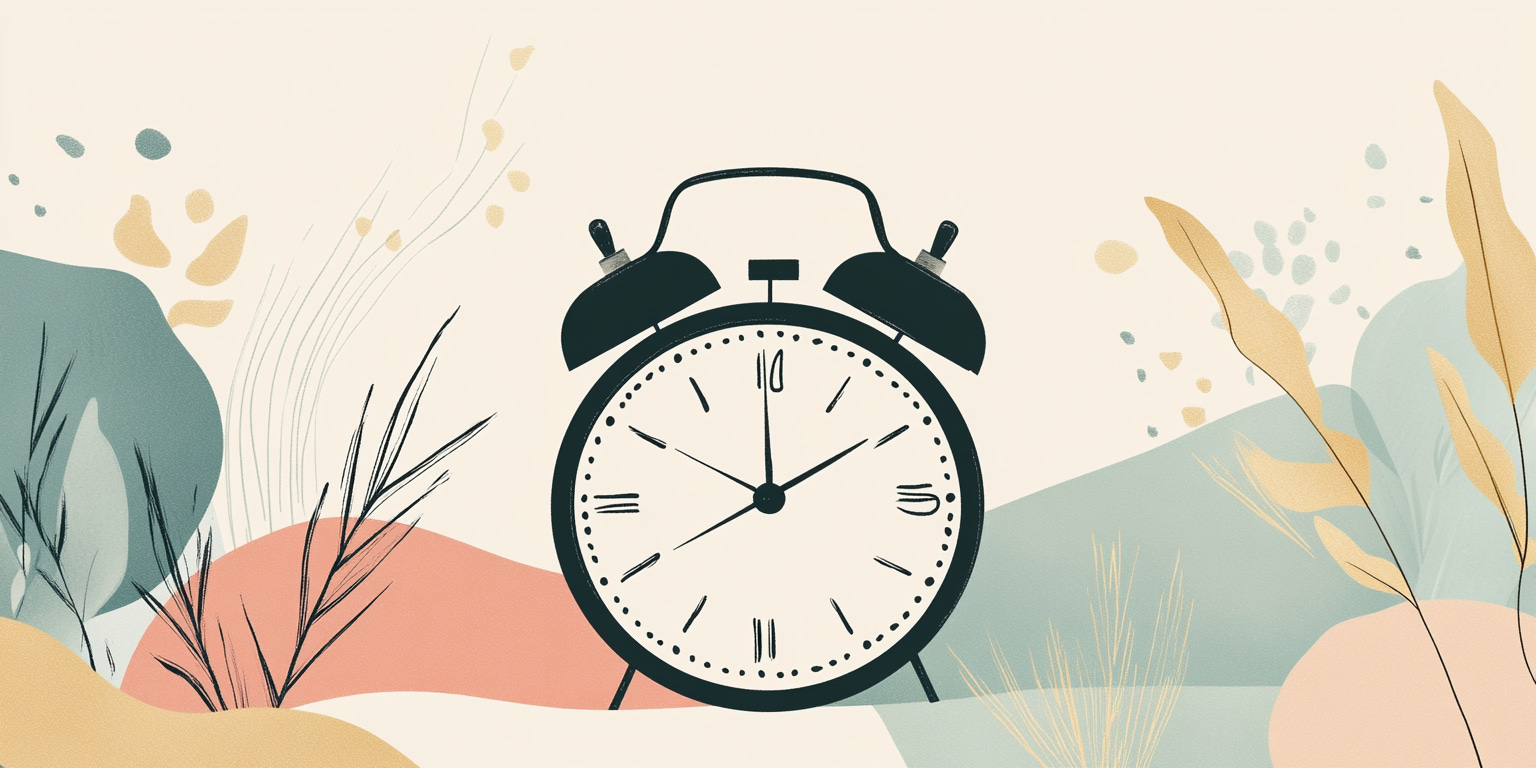
Chrononutrition
Chrononutrition is an emerging branch of science that explores how the timing of eating impacts our health.
Our bodies follow a circadian rhythm, an internal biological clock that regulates day and night cycles and synchronizes essential functions for well-being.
Eating late at night, outside regular daytime hours, can disrupt this natural balance.
Foods are processed out of sync with internal rhythms, affecting key processes such as sleep, wakefulness, weight control, and metabolism.
Epidemiological evidence suggests that late-night eating patterns are linked to a higher long-term risk of weight gain1.
This is due to factors such as decreased metabolic efficiency and dysregulation of appetite hormones. The gut microbiota can also be affected, contributing to greater internal imbalance.
Observational and experimental human studies confirm the association between meal timing and metabolic issues, such as weight gain, glucose intolerance, and diabetes2 .
A clear example is night shift workers, who, according to a systematic review and meta-analysis, published in Obesity Reviews, experience a higher risk of obesity due to the negative effects of eating at inappropriate times—even if their total caloric intake doesn’t change3.
Chronotype
Chronotype, a person’s natural tendency to be more active in the morning or evening, also plays a crucial role in obesity risk4.
Evening chronotypes who tend to eat late (within two hours before sleeping) are five times more likely to be obese. In contrast, morning chronotypes, who consume most of their calories early in the day, reduce this risk by 50%.
But Here’s the Good News!
Studies on twins show that breakfast timing has high heritability, while dinner timing is influenced by environmental factors rather than genetics5.
This means that if you have an evening chronotype, adjusting your dinner schedule is within your control!
Unhealthy behaviors associated with evening chronotypes are what increase metabolic risk, not genetics itself. Changing these habits can significantly reduce the risk, empowering you to take control of your health.
Practical Tips
1. Dine Wisely
Choose a light but satisfying dinner at least 2 to 3 hours before bedtime. Ideal ingredients could include proteins (fish, tofu), cooked vegetables, and healthy fats (olive oil, avocado).
Incorporate foods that promote deep sleep. Some examples include nuts (pistachios, almonds, cashews, walnuts), seeds (pumpkin, chia), beef liver, turkey, chicken, legumes (chickpeas, lentils), and eggs.
Carrots and celery are excellent choices if you prefer a crunchy but light option. Pair them with hummus for a combination that supports restful sleep.
2. Keep Water on Your Nightstand
Place a glass of water by your bed. If you wake up feeling hungry, drink water first. Often, nighttime hunger can actually be thirst.
3. The Brain and Nighttime Light
Intense light can trick your brain into thinking it’s daytime, disrupting melatonin production, a hormone that regulates sleep-wake cycles.
Avoid bright lights at night.
Use dim or warm-toned lights to move around the house before bed, and turn off all screens at least an hour before sleeping.
4. Replace Nighttime Eating with a Relaxing Routine
Nighttime eating is often linked to stress, anxiety, and insomnia. Establishing a pre-sleep relaxation ritual can help you unwind without resorting to food.
Try relaxing activities like meditating, practicing yoga, listening to calm music, reading a good book, or journaling.
Enjoy a soothing herbal tea, such as chamomile or valerian.
Take a warm bath to relax your body and mind. Heat is ideal for inducing relaxation before bed.
5. Change Your Kitchen Environment at Night
Your surroundings can significantly influence your eating habits. To make food less accessible at night, for example:
Store snacks in hard-to-reach places like the top shelf of a high cabinet or in a container at the back of the pantry.
Close the kitchen at a specific time to reinforce this psychological boundary.
6. Manage Nighttime Aromas
Interestingly, our sense of smell is sharper at night.
Keep windows closed to avoid the lure of these aromas. The scents of a nearby bakery or pizzeria can make it hard to resist temptation.
Lavender is an essential oil that can transform your space into a sanctuary of calm. Before going to bed, you can turn on your diffuser or place a few drops of lavender essential oil on your pillow or a handkerchief near your bed.
7. Consider Supplementation
If you frequently experience nighttime hunger, certain supplements that promote relaxation and good sleep, such as melatonin or magnesium, might help.
Chronotype Quiz: Are You a Lark or an Owl?
Understanding your chronotype—your body’s natural inclination to sleep at a certain time—is key to optimizing your health and aligning your meals with your internal clock. Take this simple quiz to find out if you're an "early bird" (Lark) or a "night owl" (Owl).
Choose the option that best describes you for each question:
When do you feel most awake and alert?
A. In the morning, shortly after waking up.
B. In the afternoon, a few hours after lunch.
C. In the evening, after the workday is over.
If you could choose your own schedule, what time would you ideally go to bed?
A. Before 11:00 p.m.
B. Between 11:00 p.m. and midnight.
C. After midnight.
If you didn’t have an alarm, what time would you naturally wake up?
A. Before 7:00 a.m.
B. Between 7:00 a.m. and 8:30 a.m.
C. After 8:30 a.m.
When do you prefer to eat your biggest meal of the day?
A. Early in the day (breakfast or early lunch).
B. Around lunchtime.
C. Later in the day (dinner).
You have an important task to do. When are you most likely to start it?
A. In the morning, to get a head start.
B. In the afternoon, after you've had time to think.
C. In the evening, when there are fewer distractions.
Your answers:
Mostly A's? You are likely a Lark. Your body is naturally an early riser and you will be able to adopt the "eat like a king for breakfast and like a pauper for dinner" plan quite naturally given your body clock.
Mostly C's? You are probably an Owl. Your body is naturally late to rise and your energy and focus are strongest in the evening . Therefore, you will need to be mindful of what a "late night" eating means to you, as your body is least efficient at processing food at what is your biological night.
Some A's, B's and C's? You are most likely a Hummingbird - this is the most common chronotype. You fall somewhere in the middle and so you will be able to accommodate some over-scheduling. But even you will benefit from tuning in to your body and refraining from heavy eating at night.
Most Loved Reads


I truly hope you found this post helpful.
To your zenith within,
Sara Redondo, MD, MS
References:
Davis R, Rogers M, Coates AM, Leung GKW, Bonham MP. The impact of meal timing on risk of weight gain and development of obesity: a review of the current evidence and opportunities for dietary intervention. Curr Diab Rep. 2022 Apr;22(4):147-155. doi: 10.1007/s11892-022-01457-0.
Beccuti G, Monagheddu C, Evangelista A, Ciccone G, Broglio F, Soldati L, et al. Timing of food intake: Sounding the alarm about metabolic impairments? A systematic review. Pharmacol Res. 2017 Nov;125(Pt B):132-141. doi: 10.1016/j.phrs.2017.09.005.
Sun M, Feng W, Wang F, Li P, Li Z, Li M, et al. Meta-analysis on shift work and risks of specific obesity types. Obes Rev. 2018 Jan;19(1):28-40. doi: 10.1111/obr.12621.
Lopez-Minguez J, Gómez-Abellán P, Garaulet M. Timing of breakfast, lunch, and dinner. Effects on obesity and metabolic risk. Nutrients. 2019;11(11):2624. doi: 10.3390/nu11112624.
Lopez-Minguez J, Dashti HS, Madrid-Valero JJ, Madrid JA, Saxena R, Scheer FA, et al. Heritability of the timing of food intake. Clin Nutr. 2019 Apr;38(2):767-773. doi: 10.1016/j.clnu.2018.03.002.
Appreciation for your article. Recently, due to my health, I have reduced my activity considerably. So my metabolism is slow 🐌 I am gaining weight. I will follow your recommendations!
Thank you Sara for sharing this very informative post. Yes, I never heard also about this chronotype. Looking forward for more articles like this. 👍🤗