

Christmas is a time for family, gifts, community, and gratitude.
When I think of those words, I think of my mother. I also think of you, and of every person who reads these emails hoping to live a longer, healthier life.
This year, in honor of my mom and as a heartfelt thank you to this community, I’m creating something I wish she — and we — had had earlier:
A completely free series on cancer prevention.
Why This Series Matters So Much
Cancer accounts for one in eight deaths worldwide.
After years of being the second leading cause of mortality, it has already become the number one cause of death in several regions, and by the end of this century, it is estimated to be the leading cause of death in all countries.
About 1 in 5 men and 1 in 6 women will develop cancer at some point in their lives, and 1 in 8 men and 1 in 11 women will die from it.
The most common types of cancer vary by gender:
In women: breast, lung, and colorectal cancer
In men: lung, prostate, and colorectal cancer
Here’s the part that changes everything:
More than 90% of cancers are attributed to modifiable risk factors such as smoking, being overweight, physical inactivity, alcohol consumption, and an inadequate diet.
Yet one of the most persistent myths about cancer is that “it’s mostly genetic.” While genes do play a role, for most people they explain only a small fraction of overall cancer risk.
The largest share comes from what we’re exposed to and what we do, day after day — the habits, environments, and choices we can gradually influence.
I wrote about some of the most common health myths debunked by science in this previous post, and I strongly encourage you to read it so you don’t waste time, money, or emotional energy on misinformation.

Today, I want to focus on what serious, evidence-based organizations actually agree on about prevention — and how you can start applying it in real life.
Why I’m Doing This
As a doctor, patient, and daughter, I have seen cancer from every angle.
My mother was diagnosed with lung cancer despite never having smoked. She underwent chemotherapy, but it was ineffective. She died one year later, while I was in medical school.
Around that time, I learned about another doctor with metastatic ovarian cancer, whose prognosis was similarly poor. But alongside her oncology treatment, she embraced an integrative approach — exercise, nutrition, psychological support, and complementary therapies. Not only did she recover, but she later had children.
It shook me. Why did my mother never receive this kind of integrative support? Why was the system almost entirely focused on treating disease, and so little on preventing it and supporting the whole person?
Later, I struggled too — with depression, insomnia, and anxiety — and again, the only solution offered was an antidepressant. No therapy, no support, just a prescription.
These experiences are the reason I do what I do.
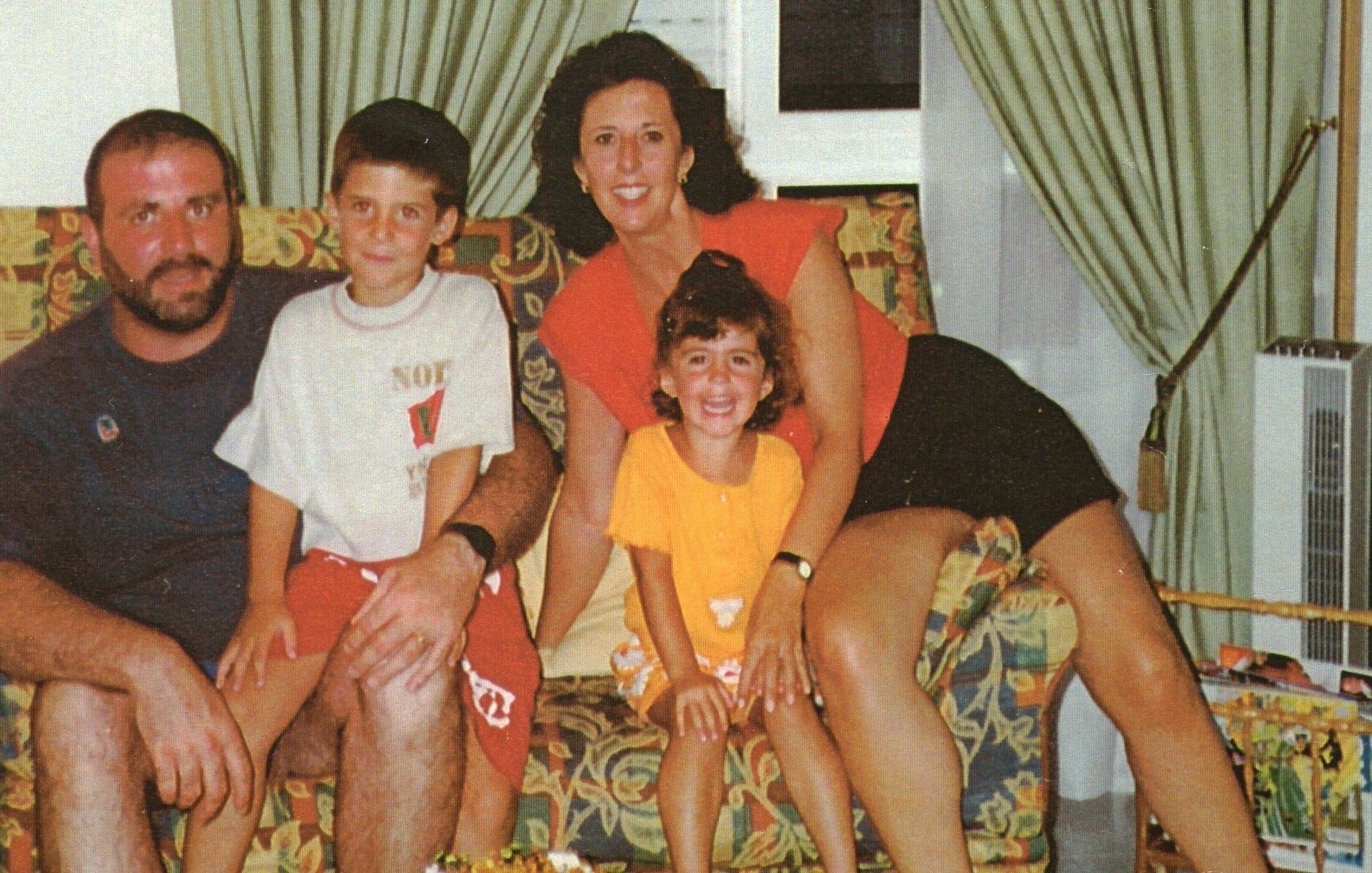
They’re the reason I built Zenith Within. From the bottom of my heart, I truly hope this series helps you protect yourself and the people you love.
Last Week’s Focus: What All the Major Guidelines Agree On

This Week’s Focus: Foods and Diets That Fight Cancer
1. Foods That Fight Cancer
According to the American Institute for Cancer Research (AICR), there are foods that help us fight cancer.
While no single food can completely protect you from cancer, scientific research shows that a diet rich in vegetables, fruits, whole grains, legumes, and other plant-based foods can significantly lower the risk of developing this disease.
Laboratory studies have found that many minerals, vitamins, and phytochemicals in these foods have cancer-fighting properties.
By incorporating more of these nutrient-dense foods into your daily routine, you not only enhance your overall health but also reduce the likelihood of facing a cancer diagnosis.
Some of the standout foods for their anti-cancer benefits include:
Apples
Asparagus
Blueberries
Broccoli and other cruciferous vegetables
Brussel sprouts
Carrots
Cherries
Coffee
Cranberries
Flaxseed
Garlic
Grapefruit
Grapes
Kale
Oranges
Pulses
Raspberries
Spinach
Squash
Strawberries
Tea
Tomatoes
Walnuts
Whole grains
Soy

2. Foods to Limit to Lower Your Cancer Risk
Many of us grow up eating foods that might be okay to include in our diets but aren’t necessarily the healthiest choices.
As you plan your meals, it’s important to focus on moderation and avoid overindulging in foods that are better consumed in small amounts.
Excessive intake of certain items, such as alcohol, processed meats, red meat, and sugary drinks, has been linked to a higher risk of cancer. By reducing your consumption of these, you can take a significant step toward protecting your health.
Key foods to limit include:
Alcohol
Sugar-sweetened drinks
Processed meats (e.g., sausages, ham, bacon, hot dogs, salami)
Red meat (beef, pork, lamb)
You can read more about meat in last week’s post.
3. Diet and Cancer Prevention
There are countless popular diets that claim to deliver impressive health benefits. While some of these claims may hold merit, it’s important to remember that opinions can sometimes be mistaken for facts.
This makes it crucial to separate evidence-based guidance from fleeting trends.
Here, you have the diets that have been studied and discussed for their potential role in cancer prevention:
Flexitarian diet
Lacto-ovo vegetarian diet
Pescovegetarian diet (or pescatarian)
Vegan diet
Mediterranean diet

When it comes to reducing your cancer risk, the choices you make at the table matter. By prioritizing whole, plant-based foods, limiting processed and sugary options, and considering evidence-based dietary patterns, you’re not just fueling your body—you’re building a defense system for your health.
Remember, no single food or diet is a magic solution, but small, consistent steps toward healthier eating can lead to powerful, long-lasting benefits.
From My Heart to Yours 💛
If cancer has touched your life — your own diagnosis, a parent, partner, child, sibling, or friend — I see you. You are not alone here.
This series is dedicated to my mother… and to you, and to every person you love.
If today’s post was helpful, it would mean a lot if you:
Hit “like” or ❤️
Or share it with someone who could benefit
Or reply and tell me: Which habit feels most realistic for you to work on this month?
To your zenith within,
Sara Redondo, MD, MS
References:
International Agency for Research on Cancer. Global Cancer Observatory: Cancer Today [internet]. 2022. Available from: https://gco.iarc.fr/today/en.
GBD 2015 Mortality and Causes of Death Collaborators. Global, regional, and national life expectancy, all-cause mortality, and cause-specific mortality for 249 causes of death, 1980-2015: a systematic analysis for the Global Burden of Disease Study 2015. Lancet. 2016 Oct 8;388(10053):1459-1544. doi: 10.1016/S0140-6736(16)31012-1.
GBD 2017 Causes of Death Collaborators. Global, regional, and national age-sex-specific mortality for 282 causes of death in 195 countries and territories, 1980-2017: a systematic analysis for the Global Burden of Disease Study 2017. Lancet. 2018 Nov 10;392(10159):1736-88. doi: 10.1016/S0140-6736(18)32203-7.
Townsend N, Wilson L, Bhatnagar P, Wickramasinghe K, Rayner M, Nichols M. Cardiovascular disease in Europe: epidemiological update 2016. Eur Heart J. 2016 Nov 7;37(42):3232-3245. doi: 10.1093/eurheartj/ehw334.
Canadian Cancer Statistics Advisory Committee, Canadian Cancer Society, Statistics Canada, Public Health Agency of Canada. Canadian Cancer Statistics 2021 [internet]. 2021. Available from: https://cancer.ca/Canadian-Cancer-Statistics-2021-EN.
Bray F, Ferlay J, Soerjomataram I, Siegel RL, Torre LA, Jemal A. Global cancer statistics 2018: GLOBOCAN estimates of incidence and mortality worldwide for 36 cancers in 185 countries. CA Cancer J Clin. 2018 Nov;68(6):394-424. doi: 10.3322/caac.21492.
International Agency for Research on Cancer. Global Cancer Observatory: Cancer Today [internet]. 2022. Available from: https://gco.iarc.who.int/media/globocan/factsheets/populations/900-world-fact-sheet.pdf.
Islami F, Goding Sauer A, Miller KD, Siegel RL, Fedewa SA, Jacobs EJ, et al. Proportion and number of cancer cases and deaths attributable to potentially modifiable risk factors in the United States. CA Cancer J Clin. 2018 Jan;68(1):31-54. doi: 10.3322/caac.21440.
Brown KF, Rumgay H, Dunlop C, Ryan M, Quartly F, Cox A, et al. The fraction of cancer attributable to modifiable risk factors in England, Wales, Scotland, Northern Ireland, and the United Kingdom in 2015. Br J Cancer. 2018 Apr;118(8):1130-1141. doi: 10.1038/s41416-018-0029-6.
American Institute for Cancer Research. AICR’s foods that fight cancer™ and foods to steer clear of, explained [internet]. Available from: https://www.aicr.org/cancer-prevention/food-facts/.
Always so well researched and meaningful Sara especially for those living with cancer.
Diet and nutrition still today often get overlooked during the treatment process after a diagnosis. With this evidence based nutrition knowledge you present so well, the survivor can take back a bit of control simply by rethinking how they set their plates.
Food, just like exercise are our best medicines in health and disease. Thanks for showing this community what is possible in healing ❤️🩹 both body and mind.
Thank you for this information Sara. It's a great reminder for me about how important it is to eat a healthy diet. Particularly at this time of the year.